
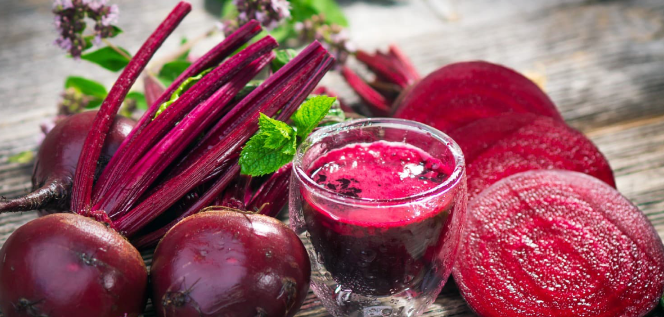
Rich vibrantly coloured beetroot is a famous root vegetable used extensively in cuisines globally. It is commonly known as beet, table beet, sugar beet, garden beet, dinner beet or golden beet. It is scientifically termed as Beet vulgaris and this variety is cultivated for its edible root and beet leaves (beet greens). The deep red tint comes from the pigment betanin which is used as a natural colouring agent in the food industry to deepen the colour of food products like sauces, desserts, jams and jellies and even to make red wine.
The rich array of nutrients in beetroot is highly valued as a medicinal plant and used since ancient times to improve the gut health and haemoglobin level. Beetroot is commonly consumed as salads, pickles, curries while beet greens have a similar flavour and texture as spinach which is used to make a salad and other dishes.
Nutrition facts
Packed with essential nutrients, beetroots are a great source of fiber, folate (vitamin B9), manganese, potassium, iron, and vitamin C.
- Calories: 43.
- Water: 88%
- Protein: 1.6 grams.
- Carbs: 9.6 grams.
- Sugar: 6.8 grams.
- Fiber: 2.8 grams.
- Fat: 0.2 grams.
The rich array of nutrients in beetroot is highly valued as a medicinal plant and used since ancient times to improve the gut health and haemoglobin level. Beetroot is commonly consumed as salads, pickles, curries while beet greens have a similar flavour and texture as spinach which is used to make a salad and other dishes.
Top 9 Health benefits of beetroot which you should know
1. Improves stamina
Drinking beet juice raises nitric oxide levels in your body. Research shows nitric oxide can increase blood flow, improve lung function3 , and strengthen muscle contraction. This combination has stimulated athletes to supplement with beet juice for improved cardiorespiratory endurance and performance.
2. Lowers blood pressure
Beetroot contain naturally high levels of nitrates, which your digestive system converts into nitric oxide. This compound relaxes and widens blood vessels, which, in turns, lower blood pressure.
3. Helps curing arthritis
Beets are also rich in nitrates, which reduce inflammation by removing harmful compounds from your bloodstream. This combination of betalains and nitrates makes beets a great choice for people with inflammatory conditions like rheumatoid arthritis or fibromyalgia.
4. Combats anemia
Drinking beet juice helps in regeneration of red blood cells and reactivates the red blood cells and also it supplies fresh oxygen to the body. The iron in beetroot is easiest to absorb into the bloodstream, making it a great natural therapy for those with low blood hemoglobin and anemia, irrespective of theirage.
5. Control Diabetes
Beets are rich in antioxidants and nutrients that have proven health benefits for everyone. Consuming beets appears to be especially beneficial for people living with diabetes. Beets can help lower the risk of complications that may arise from an unmanaged condition, including nerve damage and eye damage.
6. Helps prevent cancer
The red color comes from compounds called betalains, which laboratory studies suggest could be both heart- and cancer-protective. In animal studies, beets seem to inhibit carcinogen formation and increase production of immune cells and body enzymes that help fight cancer development.
7. Reduces Inflammation
Beetroot is also being considered as a promising therapeutic treatment in a range of clinical pathologies associated with oxidative stress and inflammation. Its constituents, most notably the betalain pigments, display potent antioxidant, anti-inflammatory and chemo-preventive activity in vitro and in vivo.
8. Improves liver function
Beetroot juice has traditionally been used as a remedy to activate liver enzymes and increase bile, which helps the liver’s detox function. For instance, it’s high in betalains and other compounds that have been shown to reduce inflammation, protect against oxidative stress and reduce the risk of liver damage.
9. Beetroot for Digestive system
Beets are high in fiber and promote the growth of good bacteria in your gut. Having plenty of healthy bacteria in your digestive system helps fight disease and boost your immune system. Fiber also improves digestion and reduces the risk of constipation.
Who has to avoid for beetroot consumption ?
Beetroots have high nitrate content and might cause nitrate poisoning in infants if given directly. They should be avoided in infants aged three months or below. Beets are rich in oxalat and may contribute in stone formation. Before using beetroot for any health effects, talk to your doctor or physician about any precautions you might need to take.

 natural wellnes